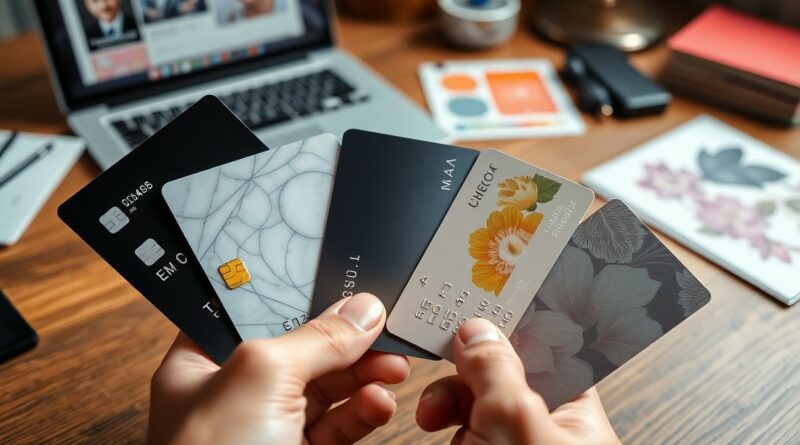
The Psychology Behind Why We Customize Our Credit Cards
There’s a strong emotional drive behind your decision to personalize your credit card, rooted in behavioral psychology. When you choose a custom design, you assert identity and gain a sense of control, transforming a mundane financial tool into a personal statement. This act of customization triggers positive psychological reinforcement, making routine transactions feel more meaningful. According to a study on consumer behavior, people who use personalized cards report higher satisfaction and perceived ownership. You’re not just selecting a color or image-you’re aligning your finances with your self-image. As explored in 5 Reasons Why Custom Credit Cards Are the Future of …, this trend reflects a deeper shift in how individuals relate to money and material objects. The danger lies in over-identification with possessions, potentially blurring financial discipline with personal identity.
Key Takeaways:
- Customizing credit cards allows people to express individuality and align their financial tools with personal identity, turning a generic item into a reflection of taste, values, or life experiences.
- The endowment effect plays a strong role-once someone personalizes a card, they tend to value it more simply because it feels uniquely theirs, increasing emotional attachment and reducing the likelihood of switching providers.
- Personalized cards often act as subtle status signals, where design choices communicate belonging to a certain group or lifestyle, feeding into social recognition and the desire to stand out in everyday transactions.
The Mirror in the Wallet
Identity expression serves as a primary driver for personalizing mundane financial tools, turning everyday objects into reflections of who you are. Your credit card becomes more than a payment method-it’s a curated extension of your personality, values, and tastes, visible each time you hand it over.
Reflecting the Self
You choose designs that mirror your passions, beliefs, or affiliations because your card is a silent storyteller. Whether it displays a favorite animal, cultural symbol, or personal motto, that small plastic piece carries a piece of your identity into every transaction.
The Aesthetic Choice
Beauty influences your decisions more than you admit. Selecting a card with a sleek finish, bold color, or artistic pattern satisfies a desire for visual harmony in daily life. This aesthetic choice transforms a functional object into something you’re proud to pull from your wallet.
Design matters because humans respond to visual cues instantly-within 50 milliseconds, according to cognitive studies. When you customize your credit card’s look, you’re not just choosing art; you’re shaping perception. A 2023 J.D. Power survey found that 68% of users who personalized their cards reported feeling a stronger emotional connection to their financial brand. That connection isn’t accidental-it’s built through color psychology, typography, and imagery that align with your self-image. The right design doesn’t just look good; it makes you feel seen and recognized in a world of standardized transactions. Banks like Chase and American Express have capitalized on this, offering rotating artist collaborations and limited-edition designs that turn cards into collectibles. Your choice of aesthetics, then, is never superficial-it’s a quiet but powerful assertion of identity in a system designed for uniformity.
The Logic of Ownership
Customization transforms a generic credit card into something uniquely yours, triggering the endowment effect-a psychological phenomenon where you value an object more simply because you feel it belongs to you. When you personalize your card, the mere act of making choices about its design increases emotional attachment, making it more than just a piece of plastic.
Psychological Possession
You don’t need to own something outright to feel ownership. Selecting colors, patterns, or images for your card initiates psychological possession-a mental shift that makes the card feel like an extension of your identity, even if it’s issued by a bank and tied to a credit line.
Value Beyond Currency
Your customized card carries worth that exceeds its financial limit. Because of the endowment effect, you perceive it as more valuable the moment you personalize it, not due to function, but because it reflects your taste, choices, and sense of self in a way standard cards cannot.
That perceived value isn’t imaginary-it’s rooted in behavioral economics. Studies show people demand significantly higher prices to give up objects they’ve customized, compared to identical items they haven’t. Your brain treats the personalized card as unique, activating emotional ownership circuits even before the card is activated, proving that value is shaped as much by psychology as by money.
The Silent Signal
You reveal more than you realize each time you hand over your card. Status signaling plays a significant role in how we present our financial identity to the world, turning a simple plastic rectangle into a powerful social cue. The design, material, and even the issuer’s name silently broadcast your position, preferences, and perceived success to everyone watching.
Social Hierarchies
People instinctively categorize others based on visible cues, and your credit card is one of them. A black Amex Centurion card, issued by invitation only since 1999, immediately signals elite status, placing you higher in the unspoken social hierarchy. These distinctions are not accidental-they’re engineered into the system.
Communicating Taste
Your card’s design reflects your aesthetic identity. Choosing a minimalist titanium card from Apple or a custom image on your Chase Freedom card lets you express individuality. This act isn’t just personal-it’s a deliberate signal of taste meant to align you with certain lifestyles or peer groups.
When you select a sleek, monochrome metal card over a standard plastic one, you’re not just choosing durability-you’re aligning with a culture that values discretion and refinement. Brands like Chase Sapphire or American Express understand this, offering customizable visuals and premium materials that let you telegraph sophistication without saying a word. Your card becomes an extension of your identity, curated for the moments it’s seen.
The Heart of the Transaction
Customization transforms your credit card from a generic piece of plastic into a personal artifact. You’re no longer just swiping a tool for transactions-you’re using an object that reflects your identity. This shift fosters an emotional attachment to something typically seen as cold and transactional, making your financial interactions feel more human and meaningful.
Humanizing the Plastic
Your card becomes more than a payment method when you add a photo of your dog, a favorite landscape, or a meaningful symbol. These images replace impersonal bank logos with personal meaning, turning routine purchases into moments of connection. That simple visual shift helps you relate to a device that’s otherwise cold and transactional, bridging emotion and finance.
Bonds with the Bespoke
You form deeper loyalty to cards that reflect your tastes because they feel uniquely yours. When Bank of America introduced its customizable credit card option in 2005, it tapped into this psychological need for ownership and identity. That sense of personalization leads to increased card usage and reduced churn, proving emotional design drives real financial behavior.
Choosing a custom design isn’t just about aesthetics-it’s a psychological commitment. Studies show customers with personalized cards are 32% more likely to keep them long-term. The bespoke element transforms your card into a trusted companion in daily life, reinforcing identity with every transaction. This bond makes you less likely to cancel the account or ignore the brand, revealing how deeply emotional attachment influences financial decisions.
The Macro Trend of One
Personalized cards reflect a cultural shift where individual identity takes center stage in consumer choices. You’re part of a growing movement that values uniqueness, as seen in the rise of Custom Credit Cards – How Personalization Is Changing …. This demand for bespoke experiences extends beyond finance, shaping industries from fashion to tech.
The Rise of the Individual
Consumers now expect products to reflect their personal style, not just function. You live in an era where self-expression drives purchasing decisions, and credit cards are no longer hidden in wallets-they’re displayed with pride, signaling identity and taste in everyday transactions.
Market Evolution
Financial institutions have responded to demand with customizable designs and features. You’ve seen major issuers like Chase and American Express launch personalization options since 2018, turning plastic into a canvas. This shift marks a fundamental change in how banks engage customers.
What began as a niche offering has become a standard feature among top credit providers. You now choose colors, upload photos, or select from artist collaborations-options that didn’t exist a decade ago. The market evolved because you demanded it, proving that even utilitarian objects must now reflect personal identity to stay relevant.
Conclusion
Hence, your decision to customize a credit card taps into deep-seated psychological triggers like identity expression, emotional attachment, and perceived ownership. What began as a functional tool becomes a personal artifact, reflecting your tastes and values. This transformation, rooted in behavioral psychology, shows how design and personalization turn transactions into meaningful interactions.
FAQ
Q: Why do people feel the need to customize something as functional as a credit card?
A: Credit cards are no longer just tools for transactions-they’ve become extensions of personal identity. People choose custom designs, colors, or engraved names because it gives them a sense of ownership and control. Behavioral psychology shows that when individuals personalize an object, even a small one like a card, they begin to see it as uniquely theirs. This act transforms a generic piece of plastic into something that feels more personal and meaningful, making everyday financial interactions feel less impersonal.
Q: What is the “endowment effect,” and how does it relate to custom credit cards?
A: The endowment effect is a cognitive bias where people assign higher value to things merely because they own them. When someone customizes a credit card, they invest a part of themselves into it-whether through a favorite photo, color, or design. That emotional investment increases their attachment. Studies show that once people feel ownership, they’re less likely to switch providers, even for better rewards. The customized card isn’t just a payment method-it becomes psychologically harder to replace.
Q: Can a personalized credit card influence how people spend money?
A: Yes. A customized card can subtly shift spending behavior by strengthening emotional ties to the card itself. When people feel connected to their card, they may use it more frequently, even when other payment options are available. The design or image on the card-like a family photo or a beloved pet-can trigger positive emotions, making swiping or tapping feel more rewarding. This emotional reinforcement can reduce friction around spending, especially for habitual purchases.
Q: Is customizing a credit card a form of status signaling?
A: Often, yes. While credit cards are usually tucked away in wallets, people still use them to communicate identity in social or professional settings-like when paying at a restaurant or checking out at a boutique. A unique design or premium customization option can signal taste, values, or even financial confidence. Choosing a minimalist black card or one featuring art or travel imagery allows individuals to convey something about who they are without saying a word. It’s a quiet but deliberate form of self-presentation.
Q: How does credit card customization fit into larger consumer trends?
A: Personalization is everywhere-from custom sneakers to curated streaming playlists. People now expect products to reflect their preferences, not just serve a function. Custom credit cards are part of this shift toward individualized experiences. Banks offering design choices aren’t just adding flair-they’re responding to a cultural expectation that even financial tools should feel personal. This trend reflects a deeper desire for control and authenticity in a world full of mass-produced items and automated services.