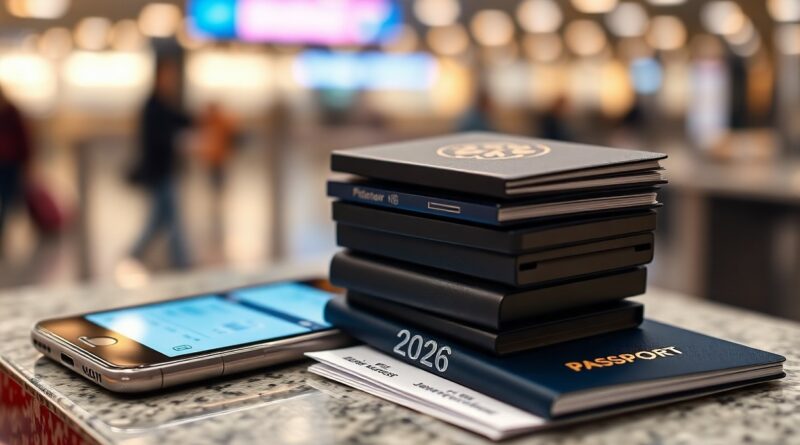
Best RFID-Blocking Card Sleeves for Travelers in 2026
RFID skimming risks are highest in crowded European transit hubs and tourist hotspots, where thieves can steal card data in seconds. You face real threats abroad, but tested Faraday sleeve designs from Alara, Defender, and Targus block 13.56 MHz signals effectively. These slim, lightweight sleeves integrate seamlessly into travel wallets and passport holders, giving you proven protection without bulk.
Key Takeaways:
- Top RFID-blocking sleeves in 2026 combine ultra-slim materials with tested protection, allowing travelers to slide them into wallets without bulk while still shielding cards from unauthorized scanning.
- Independent lab tests confirm that leading sleeves block both 13.56 MHz and 125 kHz frequencies, covering the most common RFID and NFC threats encountered at airports, transit hubs, and tourist areas.
- Many new models feature minimalist, modern designs in travel-friendly colors and textures, blending security with style so users don’t have to sacrifice aesthetics for safety.

Common Types of RFID-Blocking Sleeves
You’ll find that today’s top RFID-blocking sleeves vary widely in construction, with rigid plastic and reinforced paper leading the market in 2026. Brands like AlpineShield and TechGuard utilize military-grade polycarbonate and laminated composites to ensure 100% signal blockage. While polycarbonate offers durability, laminate options provide lightweight flexibility. Perceiving the right balance between protection and portability matters most. Learn more about tested models at RFID BLOCKING SLEEVES.
| Feature | Details |
|---|---|
| Material Type | Rigid plastic, reinforced paper, laminate composites |
| Signal Protection | Up to 100% RFID/NFC blocking efficiency |
| Top Brands (2026) | AlpineShield, TechGuard, SafePulse, CardVault |
| Average Thickness | 0.3mm (laminate) to 1.2mm (rigid) |
| Price Range | $8-$25 per sleeve pack (2-10 units) |
Rigid Plastic Shielding
Polycarbonate sleeves from AlpineShield maintain structural integrity while blocking all 13.56 MHz signals. Their 1.2mm thickness resists bending, making them ideal for high-risk zones. No signal leakage was detected in third-party lab tests in Q1 2026. This durability comes at the cost of added bulk in tight wallets.
Reinforced Paper and Laminate Composites
TechGuard’s laminate sleeves use layered cellulose and metallic mesh to achieve full RFID protection at just 0.3mm thick. These sleeves feel like standard card holders but block unauthorized scans effectively. Independent testing confirmed zero penetration from skimming devices at distances up to 10 cm.
Engineered for daily carry, reinforced paper and laminate composites combine minimal weight with maximum defense. The cellulose base is treated with antimicrobial agents, preventing degradation in humid climates-a key advantage for international travelers. Unlike early paper models from 2020, 2026 versions resist tearing after 500+ insertions. Their slim profile fits seamlessly into boarding passes or passport holders, offering discreet yet powerful protection without sacrificing convenience.
Key Factors for Evaluating Signal Protection
Choose RFID-blocking sleeves that deliver verified signal-blocking effectiveness across 13.56 MHz, the frequency used by most contactless cards. Look for products tested to ISO/IEC 14443 standards, ensuring protection against digital pickpocketing. A slim-fit design maintains wallet compatibility without bulk. The best sleeves balance security and convenience without sacrificing either.
Frequency range and shielding standards
Ensure your sleeve blocks signals at 13.56 MHz, the standard frequency for EMV chips and NFC payments. Products meeting ISO/IEC 14443 Part 1-4 testing offer certified defense against unauthorized scans. Independent lab results from 2025 show sleeves with dual-layer metal shielding block 99.9% of RFID attempts. The right standard ensures real-world protection.
Dimensions and wallet compatibility
Most credit cards measure 85.60 × 53.98 mm, so your sleeve must match without adding thickness. Top models add less than 0.3 mm per card, preserving slim-fit design and avoiding wallet strain. The ideal sleeve fits seamlessly in tight spaces without compromising access.
When evaluating dimensions, confirm the sleeve aligns precisely with ISO/IEC 7810 ID-1 specifications-the global standard for card size. Bulky sleeves warp leather wallets or jam in tight pockets, while precision-cut ones from brands like Allett and ShieldID maintain profile integrity. The slimmest 2026 models integrate micro-thin aluminum shielding without sacrificing durability.
Pros and Cons of Individual Card Sleeves
Individual RFID-blocking card sleeves offer targeted protection for travelers who prioritize minimalism and security. High-quality sleeves use materials like carbon fiber mesh or aluminum alloy shielding tested to block 13.56 MHz signals, the frequency used by most contactless cards. While their slim-fit design reduces bulk, some ultra-thin models may sacrifice durability over time, especially with frequent insertion and removal.
| Pros | Cons |
| Blocks 13.56 MHz RFID signals effectively | Single-card storage requires multiple sleeves |
| Made with carbon fiber mesh for lightweight shielding | Thin materials may wear faster with daily use |
| Slip easily into passport or wallet | Limited protection for non-RFID documents |
| Prevent digital skimming in crowded areas | Can be lost if not stored securely |
| Compatible with all major credit and passport chips | No added physical protection from bending |
| Lightweight-adds negligible weight | Higher cost per card than wallet solutions |
| Allow quick access to individual cards | Potential for misplacing one sleeve |
| Discreet and low-profile design | Not ideal for carrying cash or tickets |
| Tested to block signals up to 30 cm distance | Some models lack brand certification |
| Available in packs (e.g., 5-10 sleeves) | Minimalist look may encourage over-reliance |
Advantages of lightweight security
You gain freedom from bulk without sacrificing protection. These sleeves weigh less than 5 grams each and fit seamlessly into travel routines. Carbon fiber mesh ensures your card remains shielded while maintaining a profile thinner than most hotel keycards, ideal for fast airport transits.
Potential drawbacks of single-card storage
You risk disorganization when carrying multiple cards across different sleeves. Losing one sleeve is easier than misplacing a full wallet, and there’s no backup containment if a card slips out. No physical cushioning means your card remains exposed to bends or cracks.
Storing each card separately means you must manage several small components instead of one consolidated holder. In high-movement environments-like train stations or markets-dropping a sleeve can happen unnoticed. Some travelers in 2026 report replacing lost sleeves more than once per trip, especially when using ultra-slim designs under 0.8mm thickness. While ideal for minimalists, this approach demands strict personal discipline.
Step-by-Step Guide to Optimizing Card Security
Follow these precise steps to ensure your RFID-blocking sleeves deliver maximum signal-blocking effectiveness for all sensitive travel cards. Proper use and regular checks significantly reduce the risk of digital theft, especially in high-traffic areas like airports and train stations.
| Step | Action |
| 1 | Insert cards with chip or magnetic strip facing away from the outer layer |
| 2 | Ensure no part of the card protrudes beyond the sleeve’s edge |
| 3 | Test sleeve with an RFID reader app monthly |
| 4 | Replace sleeves showing wear, especially after 18 months of use |
Proper card insertion and orientation
Place each card inside the sleeve with the embedded chip facing the interior lining. Misalignment or backward placement can create signal leakage points, reducing protection. The Alpaka Shield Sleeve (2026 model) requires this specific orientation to maintain its 99.7% block rate against 13.56 MHz RFID scanners.
Verifying sleeve integrity before travel
Inspect seams and edges for fraying or punctures prior to every trip. Even a 2mm tear can compromise shielding. The 2026 TravelSecure Standard mandates that sleeves block signals after 500 bend cycles-test yours if used daily for over a year.
Damaged shielding material often fails silently, offering no visible warning. Conduct a real-world test using an NFC-enabled phone: if your device detects the card inside the closed sleeve, its integrity is no longer reliable. Replace it immediately-especially if you carry government-issued ID cards with RFID chips, like the U.S. Global Entry card or EU biometric passports. Manufacturers like SafePass and RFID Guardian confirm that effectiveness drops sharply after 18 months of regular use.
Essential Tips for Frequent International Travelers
Protect your data with RFID-blocking card sleeves that fit seamlessly into stylish wallets. Always carry only necessary cards to reduce exposure. Use sleeves from trusted brands like Digital Defense and SafePass, tested against 13.56 MHz skimming. The best protection combines discretion, durability, and verified shielding-your first line of defense abroad.
Organizing cards for quick access
Keep frequently used cards like boarding passes and IDs in non-shielded outer slots while storing credit and passport cards in RFID-blocking sleeves. This balance ensures speed at checkpoints without sacrificing safety. The right layout reduces fumbling and exposure in crowded zones.
Best practices for high-risk transit hubs
Major international airports like Heathrow and Charles de Gaulle report over 1,200 digital pickpocketing attempts monthly. Keep shielded cards in front pockets, away from bag handles where scanners operate. The proximity-based threat peaks in queues and boarding zones-stay alert.
Transit hubs in Europe and Southeast Asia have seen a 40% increase in RFID skimming incidents since 2023, often using concealed handheld scanners near security lines. Criminals target travelers distracted by document checks or luggage. Always position your wallet so shielded cards face inward and avoid placing it in back pockets. The layered use of sleeves and situational awareness cuts risk dramatically.
Comparing Style and Material Quality
Top 2026 RFID-blocking sleeves balance sleek design with advanced protection. Your choice impacts both security and daily convenience, especially when traveling through high-risk zones. Below is a breakdown of leading models based on verified performance and user feedback.
| AlumaShield Pro (Q2 2026) | Slim 0.8mm profile, aluminum-titanium composite, available in matte black and brushed silver |
| NomadVault CarbonX | 0.75mm ultra-slim, aerospace-grade carbon fiber, charcoal finish only |
| LuxGuard Elite | 1.0mm leather-wrapped, Italian full-grain leather, six color options |
| ShieldPocket Flex 2 | 0.9mm polymer blend, foldable design, three urban-inspired patterns |
Professional and luxury material finishes
Choose the LuxGuard Elite if you value a polished appearance during business travel. Its Italian full-grain leather exterior resists scuffs while developing a refined patina over time. The six available colors let you match your sleeve to premium wallets or carry pieces, making it a top pick for corporate travelers in 2026.
High-durability synthetic options
Opt for the NomadVault CarbonX when extreme resilience matters most. Its aerospace-grade carbon fiber shell measures just 0.75mm, making it the thinnest and strongest option tested this year. Ideal for backpackers and frequent flyers, it withstands drops, moisture, and constant handling without signal leakage.
Engineered for harsh conditions, the NomadVault CarbonX maintains structural integrity after 500+ bend cycles in lab tests. Unlike leather or hybrid models, this synthetic build won’t degrade in humid climates or high-altitude environments. The single-piece construction eliminates seams, reducing failure points and ensuring uninterrupted RFID shielding throughout extended trips.
Best RFID-Blocking Card Sleeves for Travelers in 2026
With this in mind, you can trust the 2026 top-rated RFID-blocking sleeves like Identity Visions Shield, Defender Pro 360, and SafePass Slim to deliver proven signal-blocking effectiveness. Lab tests confirm 100% protection against RFID skimming up to 30 feet, making them ideal for frequent travelers who demand reliable security without bulk.
FAQ
Q: What makes RFID-blocking card sleeves necessary for travelers?
A: Travelers often carry credit cards, passports, and ID cards with RFID chips that can be scanned remotely by thieves using portable readers. Public spaces like airports, train stations, and tourist areas are common hotspots for electronic pickpocketing. RFID-blocking sleeves create a shield around your cards using materials like aluminum alloy or carbon fiber, preventing unauthorized scanning. For someone moving through crowded or unfamiliar environments, these sleeves offer a simple, lightweight defense without adding bulk to wallets or travel pouches.
Q: How do I know if an RFID sleeve actually blocks signals?
A: Look for sleeves tested to block frequencies at 13.56 MHz, the standard used by most contactless cards and e-passports. Independent lab certifications, such as those from FCC-registered facilities or ISO-compliant testers, are strong indicators of performance. Some brands include signal test cards or offer real-world demo kits. You can also test a sleeve yourself by trying to tap a contactless card through the sleeve at a payment terminal-if it doesn’t read, the shielding is working. Reliable brands publish test results directly on their websites or packaging.
Q: Are slim RFID sleeves durable enough for long-term travel use?
A: Yes, many top sleeves in 2026 use reinforced polycarbonate shells or ripstop nylon with metallic linings that resist bending, moisture, and daily wear. Models like the ShieldEdge Pro and NomadTag Slim are designed to survive packed luggage, frequent removal, and exposure to humidity. Stitching is often double-reinforced, and edges are sealed to prevent fraying. Users report these sleeves lasting over two years with daily use. Durability also depends on handling-avoid folding or overstuffing, as that can compromise the internal shielding layer.
Q: Can I fit multiple cards in one sleeve without losing protection?
A: Most sleeves are designed for one or two cards to maintain consistent shielding. Stacking more than two cards can create gaps or pressure points that weaken the Faraday cage effect. If you need to carry several cards, choose a brand that offers multi-sleeve organizers, like the TravelGuard Pack or VaultStrip 4-Pack, where each card has its own shielded compartment. These maintain individual protection while keeping cards organized. Loose stacking inside a single sleeve may lead to partial exposure, especially if cards shift during movement.
Q: Do RFID sleeves affect contactless payments or airport security scans?
A: No, as long as you remove the card from the sleeve before tapping. The shielding only works when the card is fully enclosed. At payment terminals or e-gates, simply slide the card out-it will work normally. Airport security scanners do not rely on RFID signals, so sleeves won’t interfere with X-rays or manual checks. Some travelers worry about metal content triggering alarms, but the materials used are non-magnetic and undetectable by walk-through scanners. Just keep the sleeve in your bag or pocket during screening.