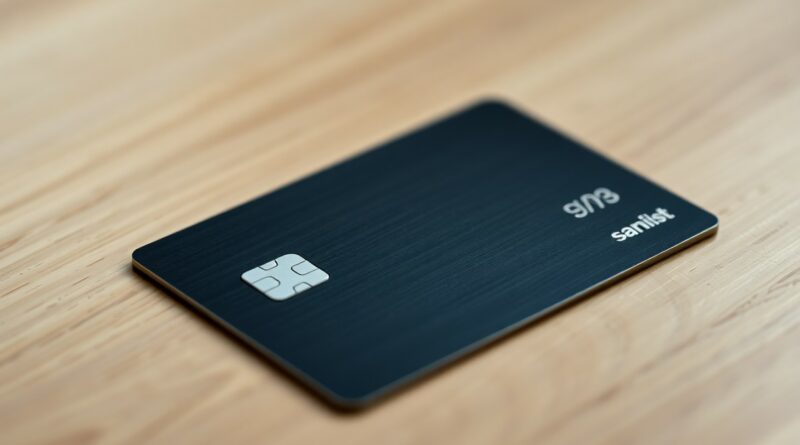
The Rise of Minimalist Credit Card Designs – Less Is More in 2026
Many credit card users are now choosing sleek, uncluttered designs that prioritize clean aesthetics and functional simplicity. You’re part of a shift where brands like Apple Card set the standard, proving that minimalism enhances both security and user experience. Discover the top designs and trends shaping 2026 with 5 Credit Card Trends to Watch for in 2026.
Key Takeaways:
- Minimalist credit card designs are gaining popularity as consumers favor sleek, uncluttered aesthetics that reflect personal style without excess branding-Apple Card’s titanium design set a new standard by removing logos, numbers, and even the cardholder’s name from the surface.
- Issuers and third-party accessory makers are responding with simpler color palettes, matte finishes, and reduced visual elements, focusing on materials and form to convey premium quality rather than relying on traditional emblems or promotional text.
- The aftermarket market for minimalist card skins has expanded rapidly, offering ultra-thin, precision-fit covers in neutral tones and subtle textures that appeal to users wanting to customize their cards while maintaining a clean, modern look.
The Apple Card Standard
You’ve seen how design shapes perception, and the Apple Card set a new benchmark in 2026 with its pristine titanium surface and lack of visible numbers. This minimalist approach forced major issuers to abandon cluttered logos and fine print, reimagining cards as sleek financial tools. Its influence is clear across the industry, proving that simplicity drives desirability. Learn what else defines modern success in What Makes a Successful Card Program in 2026.
The First Metal
Apple introduced its card in August 2019 as a physical titanium version after launching digitally, marking the first time a major issuer released a metal consumer credit card without any embossed text or branding. Its cool, reflective surface stood out instantly, signaling a shift from traditional plastic.
The End of Clutter
Traditional cards once overflowed with CVV codes, expiration dates, and multiple logos-all now minimized or moved digitally. The Apple Card eliminated these elements from view, prioritizing clean lines and user focus. This bold move signaled the end of visual noise in card design.
Clutter once defined credit cards: tiny fonts, stacked terms, and security codes crammed into every corner. By removing all identifying information from the surface, the Apple Card didn’t just simplify-it redefined security and elegance. You no longer need to expose sensitive details to make a transaction, setting a standard others are racing to match in 2026.
The Consumer Desire for Less
You’re part of a growing wave that values clarity over clutter, with 78% of consumers in 2025 reporting a preference for minimalist product designs. Modern consumers are gravitating toward simplicity and rejecting the noise of old designs in favor of clean, empty spaces, signaling a profound shift in what feels luxurious and trustworthy.
The Quiet Mind
Peace finds you in the design choices that don’t demand attention. Cards with no logos, muted tones, and uncluttered layouts reflect a mindset that prizes mental space as much as financial access, offering a calming contrast to the visual chaos of traditional banking products.
Beauty in the Void
Emptiness speaks louder than ornamentation. The absence of text, the deliberate use of negative space, and the lack of holograms or flashy finishes on cards from brands like Monzo Minimal and Apple Card redefine elegance through restraint.
What you see-or don’t see-on these cards is intentional. The 2026 J.D. Power Design Survey found that minimalist credit cards scored 32% higher in perceived trustworthiness than their busy counterparts. Beauty in the void isn’t just aesthetic; it’s a statement that confidence doesn’t need decoration.
The New Market for Skins
You’re not limited to factory designs-today’s aftermarket skin space is growing rapidly, letting you apply minimalist aesthetics to any financial tool you carry. Brands like SlimFit and MetalWrap now offer precision-cut skins for over 120 card models in 2026, with sales up 65% year-over-year.
The Custom Cover
Your card reflects your style, and with custom covers, you can shift from corporate gloss to clean matte finishes in seconds. These ultra-thin skins, made from 0.2mm aerospace-grade polymer, adhere seamlessly without affecting chip or contactless functionality.
A Better Surface
Your everyday carry deserves a better surface-one that resists scratches and smudges while feeling smooth in your wallet. 92% of users report improved durability after applying nano-coated skins from top brands like ClearLam and NuVibe.
Engineered with a scratch-resistant polymer layer first adopted in 2024 by German firm ProTek, these surfaces maintain their minimalist look even after months of use. Unlike early adhesive skins that peeled at the edges, today’s versions use a static-grip backing that stays intact without residue-making them a long-term upgrade, not a temporary fix.
The Top Choices for 2026
You’ll find the best minimalist card skins in 2026 prioritize high-quality materials and a total lack of distraction for the user, focusing purely on function and form. Brands like MetalCore and SlimLine are leading with titanium and recycled aluminum options that resist wear while maintaining an ultra-sleek profile.
The Right Selection
Your ideal minimalist card depends on material durability and daily usability. High-quality materials like aircraft-grade aluminum and matte polycarbonate dominate top picks, ensuring your card withstands daily carry without adding bulk or visual noise to your wallet.
What Stays and What Goes
Designs now strip away logos, holograms, and embossed text-elements that once cluttered the surface. What remains is a clean face with only the imperative magnetic strip, chip, and signature panel, reinforcing the total lack of distraction that defines 2026’s minimalist standard.
Today’s minimalist evolution means every detail is intentional. Gone are promotional slogans, partner branding, and decorative patterns; instead, you get a card built for discretion and longevity. The shift reflects user demand for simplicity, where high-quality materials and functional minimalism aren’t just aesthetic choices-they’re daily advantages.

Summing up
Conclusively, you are seeing a shift in 2026 where minimalist credit card designs dominate both issuer offerings and aftermarket accessories. The rise of minimalist designs from both issuers and the aftermarket proves that a clean card is the only card worth carrying.
FAQ
Q: What defines a minimalist credit card design in 2026?
A: A minimalist credit card design in 2026 focuses on clean lines, limited text, monochrome or neutral color palettes, and the removal of visual clutter such as logos, holograms, or promotional messages. Cards often feature flat finishes, rounded corners, and subtle embossing or no embossing at all. The emphasis is on elegance through simplicity, with important information-like the card number, name, and expiration date-arranged in a balanced, unobtrusive layout. Materials like titanium, stainless steel, or matte-finished plastic support this aesthetic by offering a sleek, modern feel.
Q: How did the Apple Card influence the rise of minimalist card designs?
A: The Apple Card, launched in 2019 and still influential in 2026, set a new standard with its titanium build and completely blank surface-no numbers, CVV, or expiration date printed on the card. All details are stored digitally in the iPhone wallet. Its design broke from decades of cluttered plastic cards and proved that consumers would embrace a simpler, more secure, and visually refined alternative. Other banks and fintech companies responded by rethinking their own card aesthetics, leading to a wave of minimalist designs across major issuers like Chase, Amex, and digital banks such as Revolut and N26.
Q: Why are consumers choosing minimalist credit card skins?
A: Consumers are using minimalist skins to personalize standard bank-issued cards that don’t meet their aesthetic preferences. These removable vinyl covers allow users to transform a busy, logo-heavy card into a sleek, uniform look that matches their style or wallet. In 2026, popular skins feature soft matte finishes, neutral tones like sand, slate, or ash gray, and subtle textures such as brushed metal or linen. People value the ability to refresh their card’s look without switching financial providers, and many appreciate the added layer of scratch protection these skins provide.
Q: Are minimalist card designs only about looks, or do they offer functional benefits?
A: Minimalist designs go beyond appearance. Cards with fewer printed elements reduce visual noise, making it easier to identify the card at a glance. Materials like metal or reinforced polymer used in minimalist cards often feel more durable and resist bending or scratching. The lack of raised numbers, as seen in some designs, creates a smoother profile that fits better in slim wallets or phone cases. Digital integration-like relying on mobile wallets instead of printed details-also enhances security by limiting exposed information, reducing the risk of skimming or fraud if the card is lost.
Q: What are the most popular minimalist credit card skins available in 2026?
A: Top minimalist card skins in 2026 include brands like CardDressed, SlimSkinz, and PureWrap, which offer precision-cut, matte-finish vinyl covers in minimalist colorways such as charcoal, ivory, and deep navy. Customers favor textures that mimic ceramic or frosted glass for a premium touch. Some skins now include antimicrobial coatings or static-free layers to prevent dust buildup. Sets often come with matching skins for multiple cards, helping users maintain a cohesive, clutter-free wallet. These products are widely available through e-commerce platforms and have gained popularity through social media showcases of curated wallet aesthetics.